The Ultimate Guide to Finding Stunning HD Wallpapers for Your Desktop

Recent Trends in HD Wallpaper Discovery
Over the past year, the way users find high-resolution desktop backgrounds has shifted from static image galleries to curated platforms that emphasise resolution filtering, aspect-ratio support, and community-driven libraries. Many free services now offer categories sorted by color palette, mood, or content type, while a growing number of premium sites provide exclusive, artist-verified downloads. Mobile-first browsing has also led to interfaces that allow instant previews across common screen sizes.
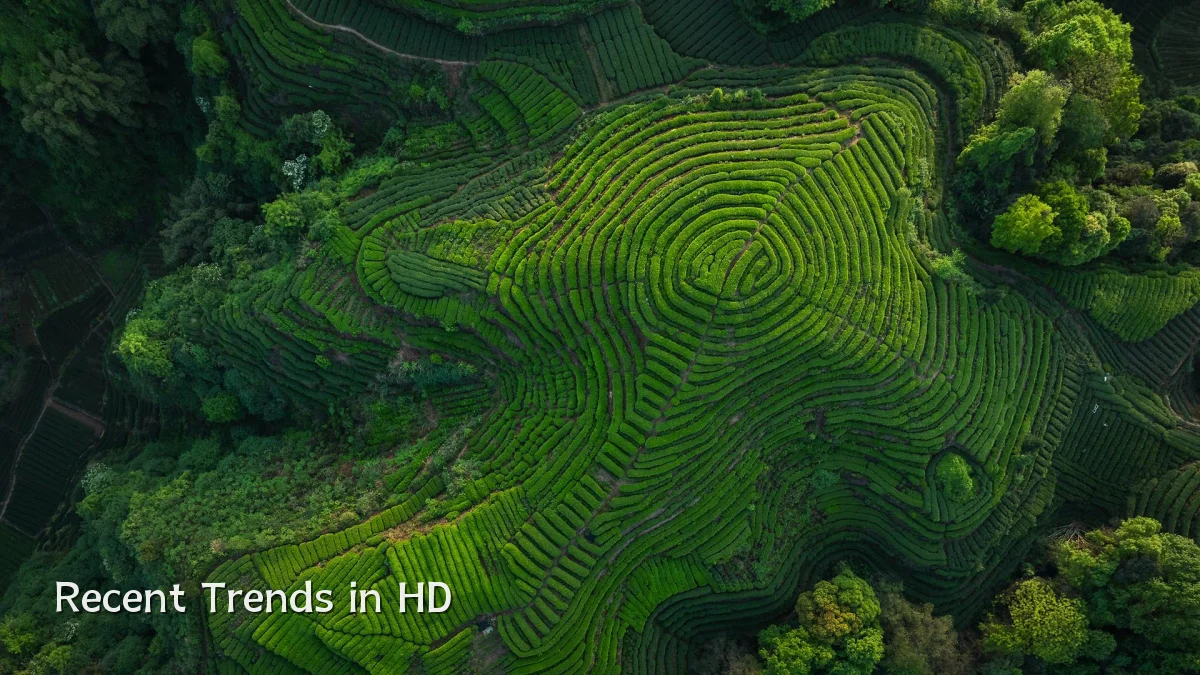
Background: From Low‑Res to Ultra‑HD
Early desktop wallpapers rarely exceeded 1024×768 pixels. As monitor resolutions climbed to 4K and beyond, the demand for native-HD images increased sharply. Today, a wallpaper is commonly considered “HD” if it meets or exceeds 1920×1080 pixels, though many users now expect 2560×1440 or 3840×2160 options. The rise of ultra‑wide and multi‑monitor setups has further fragmented the market, with dedicated aspect‑ratio filters becoming table stakes for any serious resource.

User Concerns When Choosing a Resource
When evaluating HD wallpaper sources, users typically weigh the following factors:
- Image quality and compression – Some free platforms recompress images, reducing sharpness; reputable sites maintain lossless or near‑lossless files.
- Resolution and aspect‑ratio coverage – Not every site offers native 16:9, 21:9, or 16:10 options at 4K; confirmation of a wide range is critical.
- Licensing and attribution – Many free wallpapers are released under Creative Commons or public domain, but others require attribution or prohibit commercial use. Users should verify terms before downloading.
- Ease of navigation – Search filters, tags, and category systems can make or break the experience, especially on mobile or low‑bandwidth connections.
- Update frequency – Stale galleries with infrequent uploads may lead to repetitive outcomes; active communities or curated weekly drops are preferred.
Likely Impact of Current Shifts
The move toward AI‑enabled upscaling and procedural generation is likely to blur the line between photographer‑sourced and algorithm‑created wallpapers. This could expand the volume of available HD images but also raise concerns about originality and metadata. Meanwhile, streaming service integrations – where wallpapers are pulled from movie or game databases for automatic rotation – are expected to gain traction, particularly among users with large libraries. A side effect may be increased emphasis on bandwidth usage when loading high‑res assets on metered connections.
What to Watch Next
Keep an eye on these developments in the HD wallpaper ecosystem:
- Resolution adaptability – Services that dynamically scale images to fit any screen (including foldables and ultra‑wide monitors) could reduce the need for multiple downloads.
- Local vs. cloud curation – Offline‑first apps that cache multiple resolutions might appeal to users with intermittent internet access.
- Metadata and color management – Support for HDR and wide‑color‑gamut wallpapers (e.g., Display P3) is emerging, though monitor compatibility remains uneven.
- Community quality controls – Voting, moderation, and AI‑assisted flagging of upscaled or stolen content will become more important as user submissions grow.
Choosing the right HD wallpaper resource ultimately depends on whether a user prioritises resolution breadth, curation quality, licensing clarity, or a combination of these factors. Monitoring how platforms respond to these pressures will help users stay ahead of the wallpaper‑hunting curve.