Stunning Nature HD Wallpaper Examples to Refresh Your Desktop

Recent Trends in Nature Wallpaper Choices
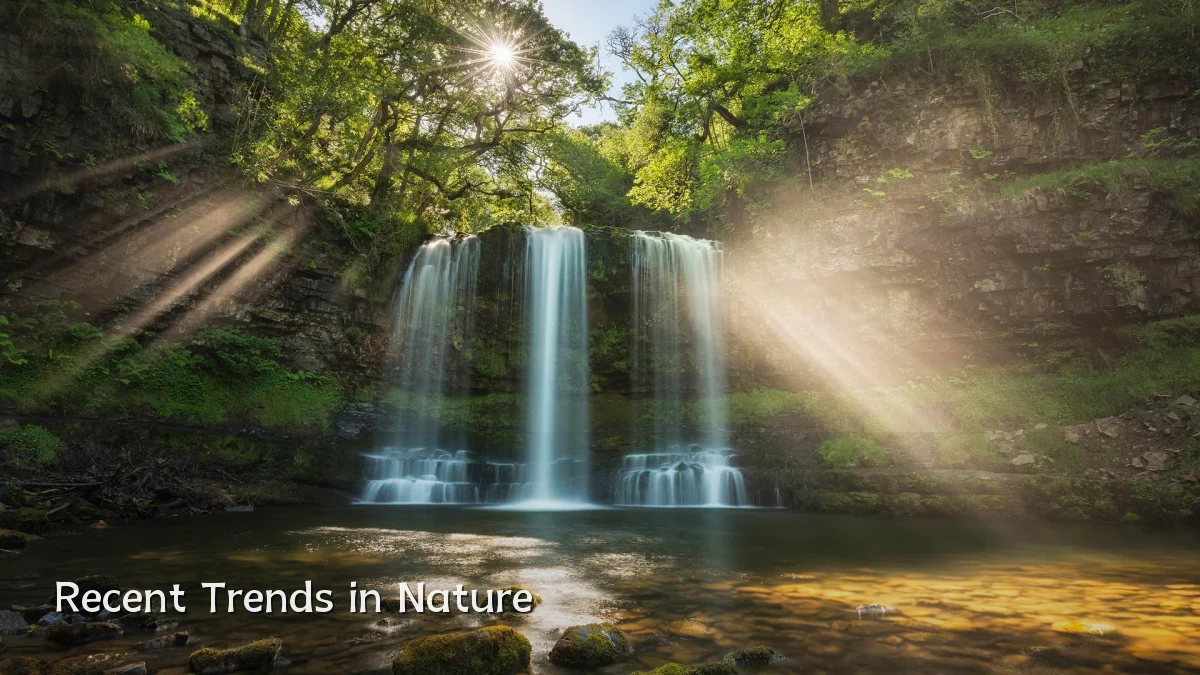
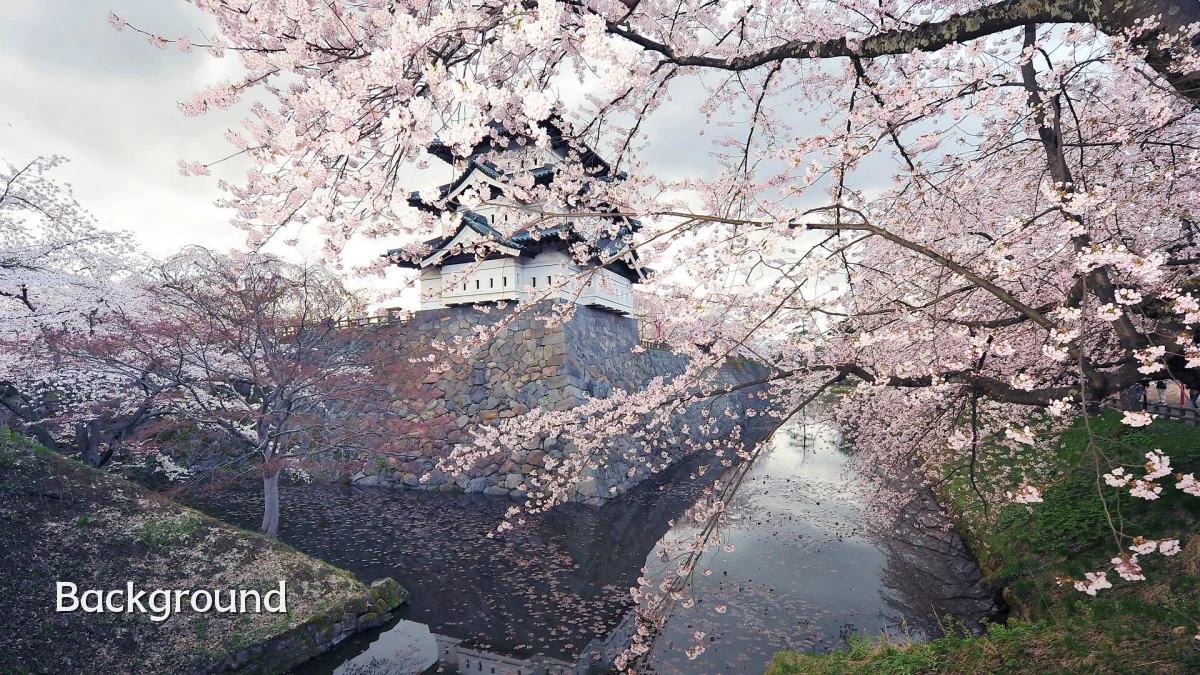
In the past few years, the demand for high-definition nature wallpapers has grown alongside the adoption of larger, higher-resolution monitors. Users increasingly favor 4K and even 5K images that preserve sharpness on ultra-wide and Retina displays. Minimalist nature shots—such as lone trees in mist or soft mountain silhouettes—compete with vibrant, saturated landscapes featuring dramatic sunsets or dense forests. Seasonal wallpaper rotations have also become popular, with spring blossoms and autumn foliage circulating heavily during their respective months.
Background: The Evolution of Desktop Imagery
Desktop wallpapers transitioned from low-resolution, limited-color images to today’s richly detailed HD files. Early operating systems offered a handful of built-in options, often abstract or simple patterns. As screen technology advanced, nature themes became a staple because they are universally appealing, offer a sense of calm, and do not distract overly from interface elements. The rise of high-speed internet and affordable storage made downloading large, uncompressed wallpaper files feasible for the average user.
Key Milestones in Wallpaper History
- 1990s–2000s: Default wallpapers from OS vendors set trends (e.g., “Bliss” hill scene).
- Late 2000s: HD (720p/1080p) monitors prompt sharper image libraries.
- 2010s: 4K, ultrawide, and dual-monitor setups create demand for specialized resolutions.
- 2020s: AI-upscaling and generative nature scenes expand possibilities.
User Concerns When Selecting HD Nature Wallpapers
While the selection of stunning nature wallpapers is vast, users face practical challenges. Image quality and file size are a primary trade-off: higher resolution means larger downloads and potential slowdowns on older systems. Aspect ratio mismatches can lead to cropping or black bars. Another worry is originality—many nature wallpapers are overused, appearing on stock photo sites without uniqueness. Users also seek images that align with personal taste without causing visual fatigue over long exposure.
Common Decision Criteria
- Resolution: Match native display resolution (e.g., 3840×2160 for 4K) to avoid scaling artifacts.
- Color depth: 8-bit vs 10-bit panels; HDR-compatible wallpapers gain traction for capable monitors.
- Image source: Original photography from community forums, dedicated wallpaper sites, or curated artist portfolios.
- Licensing: Users increasingly check for free-to-use or Creative Commons terms, especially for commercial desktops.
Likely Impact on User Experience and Productivity
An impactful nature wallpaper can subtly boost mood and reduce perceived stress during work sessions. The visual refreshment from a well-chosen HD image—whether a misty forest or a clear starry sky—may contribute to short-term concentration by providing a pleasant backdrop. However, excessively busy patterns can be distracting. The trend toward darker, lower-contrast nature wallpapers (e.g., twilight scenes, deep greens) is partly driven by dark-mode interfaces and the need to reduce eye strain in low-light environments.
“A thoughtfully selected wallpaper is not decoration; it is a quiet psychological reset button for the desktop user.” — common sentiment among ergonomics researchers
What to Watch Next in Nature Desktop Imagery
Expect more dynamic and interactive wallpaper options that go beyond static HD examples. Live wallpapers—subtly animated scenes like falling rain or swaying grass—are gaining native support on both Windows and macOS. Intelligent wallpaper changers that adapt to time of day or weather conditions are becoming easier to configure. Additionally, the rise of AI-generated nature scenes promises an almost unlimited variety of custom compositions tailored to user preferences, though quality consistency remains a concern. Curated subscription services that regularly push fresh, high-quality nature sets may also attract users tired of manual hunting.