Minimalist Free Wallpapers for a Clean Modern Desktop
Recent Trends in Desktop Aesthetics
In recent months, the shift toward clean, uncluttered desktop environments has accelerated. Users increasingly choose minimalist free wallpapers that prioritize negative space, muted palettes, and simple geometries over busy photographs or branded imagery. Design forums and open-source wallpaper repositories report rising downloads for solid gradients, soft textures, and abstract line art—many offered under Creative Commons or permissive licenses.
Notable themes include:
- Monochrome gradients (light to dark, pastel to neutral) that reduce visual noise on the desktop.
- Geometric patterns with low contrast, such as subtle grids or single bold shapes centered on a blank background.
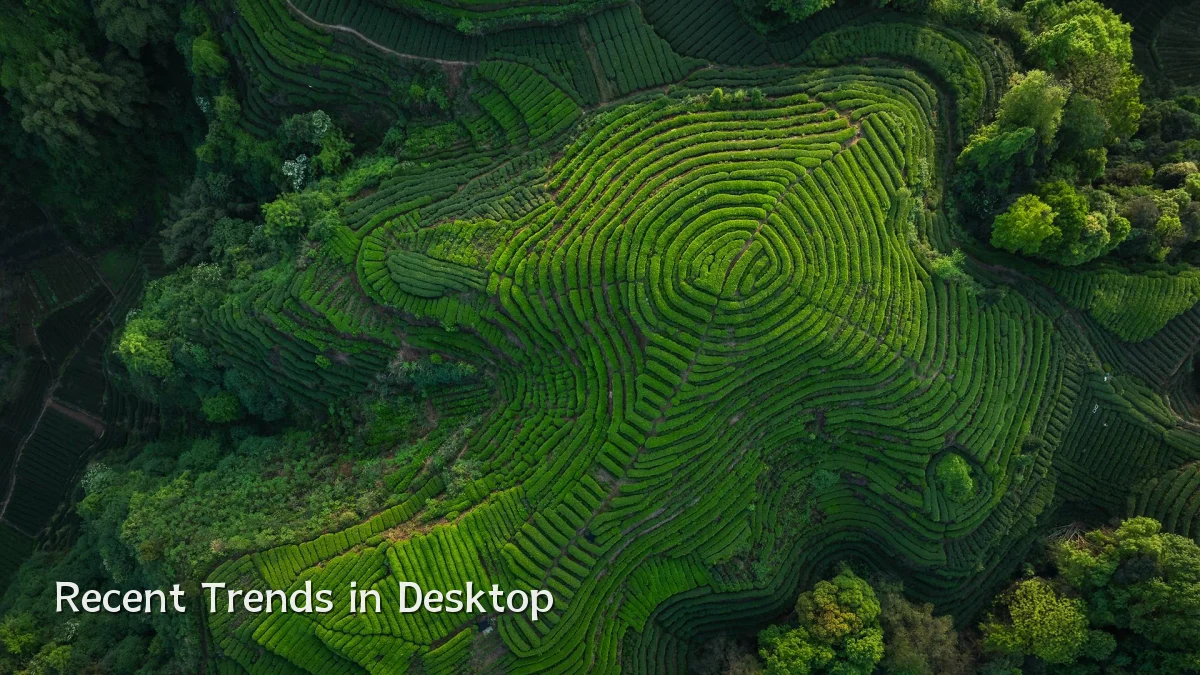
- Nature-inspired minimalism like foggy landscapes or single leaves, but cropped tight and desaturated.
Background: Why Minimalism in Wallpapers?
The minimalist wallpaper movement is hardly new, but its recent popularity ties to broader shifts in digital minimalism and productivity culture. As operating systems (macOS, Windows, popular Linux distros) emphasize visual clarity and focus modes, users complement these design choices with wallpapers that do not compete with icons, widgets, or taskbars. Historical roots trace to early flat-design interfaces and the rise of simple backgrounds in mobile phone customization—now normalized for large desktop screens.

Key factors driving adoption:
- Lower cognitive load: A calm background is reported to help users maintain focus during work sessions.
- Longevity: Minimalist designs tend to remain visually pleasing across seasons and software updates, reducing the urge to frequently swap wallpapers.
- Accessibility: High-contrast text overlays (on a blank or near-blank wallpaper) benefit users with visual impairments.
User Concerns Around Free Wallpapers
While free wallpaper repositories offer plentiful minimalist options, users have legitimate reservations:
- Resolution mismatch: Many free downloads are optimized for standard 1080p or 1440p screens, while ultrawide (21:9) and 4K+ monitors may require cropping or stretching. Users often report difficulty finding high-quality, truly free assets at non-standard aspect ratios.
- Licensing ambiguity: Even on "free" sites, wallpapers may inadvertently include copyrighted photographs or trademarked patterns. Users risk unknowingly using protected images, especially for commercial work setups visible to clients.
- Quality inconsistency: Compressed JPEG artifacts or low-color-depth gradients appear on large displays as banding. True vector-based or high-bit-depth PNGs are scarcer among free offerings.
- Spyware and ad-heavy portals: Some download sites bundle hidden trackers or push unsafe ads. Trusted sources remain a priority, though no single platform guarantees universal safety.
Likely Impact on Design and Content Ecosystems
The growing demand for minimalist free wallpapers may reshape how communities and marketplaces operate:
- Increased creator accountability: Repositories like Unsplash, Pexels, and DeviantArt have seen more explicit labeling of minimal vs. maximal styles. Expect stricter curation or “calm” tags to surface applicable content.
- Tooling shifts: OS-level dynamic wallpaper engines (such as macOS Ventura and newer) now offer simplified, single-color and gradient presets. Users might favor built-in options over third-party downloads, reducing reliance on external sites.
- Commercial interest: Freelance designers and small studios may release free “starter packs” that consist of 10–20 consistently styled minimalist wallpapers, hoping to upsell custom branded versions or larger sets. This could boost free availability in the short term.
What to Watch Next
Several developments could influence the trajectory of free minimalist desktop wallpapers:
- AI-generated backgrounds: With the rise of open-weight diffusion models, users can generate custom minimalist wallpapers in seconds—potentially bypassing traditional databases. Watch for licensing and originality concerns as output quality improves.
- Cross-platform wallpaper sync: As cloud preferences become more standard, users may expect one minimalist wallpaper to stretch seamlessly across a mobile phone, tablet, and desktop. Services that offer adaptive scaling will gain traction.
- Dark-mode adaptability: Wallpapers that automatically lighten or darken based on system appearance settings (without burning highlights) are being experimented with; if widely adopted, they could replace static still images for many users.
- Community standards: Expect informal “minimalist wallpaper of the month” lists on Reddit and Mastodon, which serve as curatorial filters to help users avoid low-quality free assets.
As of now, the market for minimal desktop backgrounds remains fragmented. Users who prioritize clean, uncluttered visuals will benefit from a few handpicked repositories and a willingness to verify aspect ratio and license—until the next shift in design culture arrives.