How to Select Expert-Level HD Wallpapers for Your Desktop

Recent Trends in Desktop Wallpaper Curation
Over the past several months, the market for high-definition wallpapers has shifted away from generic stock imagery toward curated, expert-level collections. Enthusiasts now demand wallpapers that balance resolution fidelity, color accuracy, and thematic coherence—not just eye-catching visuals. The rise of ultra-wide monitors (32:9 ratio) and 4K+ panels has pushed wallpaper creators to produce assets that remain sharp across multiple display sizes. Meanwhile, open-source platforms and specialty galleries have begun labeling "expert HD" selections based on technical criteria rather than purely subjective beauty.

Background: What Defines an Expert-Level HD Wallpaper?
Expert-level HD wallpapers historically focused on raw resolution—often 1920×1080 or higher. Today, the definition includes additional dimensions:
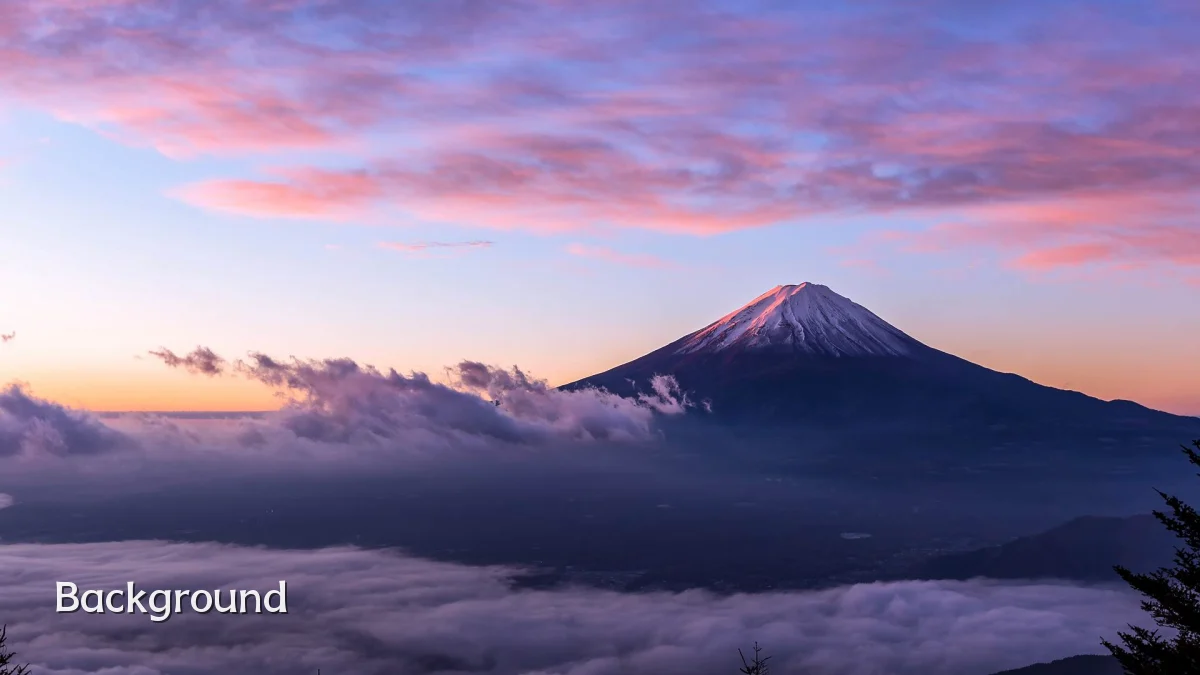
- Resolution and scaling: Native resolution matching the display’s pixel grid (e.g., 3840×2160 for 4K) to avoid upscaling artifacts.
- Color bit depth: Preference for 10-bit or higher color depth (HDR-ready) to prevent banding on gradient-rich scenes.
- Subject composition: Wallpapers designed with desktop icons and taskbars in mind—avoiding crucial details near screen edges.
- File format and compression: Lossless or minimally compressed PNG over JPEG for complex textures, or AVIF for better compression without visible loss.
- Source credibility: Sourced from professional photographers, digital artists, or verified repositories that provide metadata (camera details, editing notes).
User Concerns in Selection
Even experienced users encounter pitfalls when selecting expert-level HD wallpapers. Common concerns include:
- Misleading “4K” labels: Many downloads claim high resolution but are actually upscaled from lower sources, causing softness.
- Color profile mismatches: sRGB versus DCI-P3 wallpapers may look oversaturated or washed out depending on monitor calibration.
- Dynamic vs. static preferences: Animated or live wallpapers can degrade system performance, especially on battery-powered devices.
- Licensing ambiguity: Some “free” collections contain copyrighted art, risking legal issues or forced attribution.
- Duplicate content fatigue: Many popular wallpaper sites recycle the same top 100 images, reducing genuine variety.
Likely Impact on Desktop Personalization
As more users adopt higher-refresh-rate monitors (120 Hz and above) and OLED displays, the demand for expert-level wallpapers is expected to grow. This shift may lead to:
- Standardization of metadata: Wallpaper databases may start embedding color gamut, aspect ratio, and creator attribution files.
- Tool-driven selection: Software that auto-chooses wallpapers based on ambient lighting or time of day will require expert-level sources to maintain quality.
- Community verification: Crowdsourced ratings will likely weigh technical specs (bit depth, scaling) heavier than aesthetic appeal alone.
- Hardware–artwork alignment: Monitor manufacturers might bundle curated expert wallpaper subscriptions as a differentiator.
What to Watch Next
Several developments could redefine expert-level wallpapers in the near future:
- AI-assisted upscaling: Neural networks that produce artifact-free enlargements may make “native resolution” less critical.
- Gamut-aware search filters: Expect platforms to let users filter by color space (Adobe RGB, DCI-P3) alongside resolution.
- Dynamic wallpaper standards: New file formats (e.g., animated PNG with embedded alpha) could become the new norm for multi-monitor setups.
- Privacy-focused curation: Users may seek wallpapers that avoid embedded trackers or telemetry, especially from cloud-based wallpaper apps.