How to Curate a Personal Wallpaper Collection for Your Phone and Laptop

Recent Trends in Wallpaper Curation
The practice of collecting screen wallpapers has shifted from simply downloading random images to intentional curation. Users increasingly seek resources that offer consistent aesthetics across devices—matching abstract gradients on laptops with minimalist patterns on phones. Popular platforms now support tagging and filtering by resolution, color palette, and orientation, allowing individuals to build themed sets for different moods or seasons.
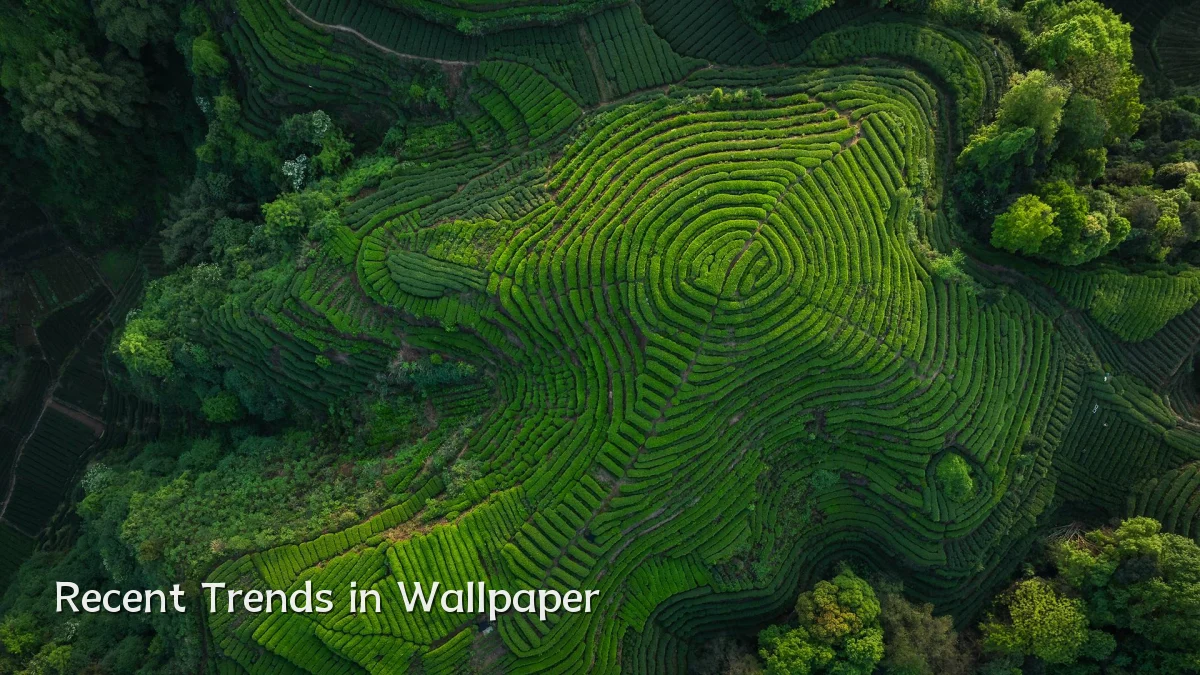
A notable trend is the rise of dynamic or “live” wallpapers that respond to system settings, such as day‑night cycles or battery status. While static images remain the majority, a growing share of resources offer synchronized collections where phone and laptop wallpapers share visual elements—often sourced from community‑driven libraries or independent creators.
Background: From Defaults to Personal Archives
Early phone and laptop wallpapers were limited to pre‑loaded options or low‑resolution web images. As display quality improved, so did user expectations. The shift toward high‑DPI screens and variable refresh rates made resolution and aspect‑ratio matching essential. Wallpaper resources adapted by offering dedicated categories for specific device models (e.g., iPhone Pro Max, 16‑inch MacBook Pro).

Simultaneously, the proliferation of creative tools—such as generative AI and vector editors—lowered the barrier for custom design. Users now blend found images with self‑made elements, storing collections across cloud services, local folders, or dedicated wallpaper management apps. This shift reflects a broader desire to personalize digital environments without relying on corporate defaults.
User Concerns When Building a Collection
- Resolution and scaling: A wallpaper that looks sharp on a phone may appear blurry on a larger laptop screen. Users need to source images at native resolution or use adaptive formats.
- Visual consistency: Mismatched color temperatures between phone and laptop wallpapers can make the transition jarring. Curators often prioritize a unified palette or theme.
- Battery impact on mobile: Bright or animated wallpapers consume more power on OLED screens. Static, darker images are commonly preferred for battery‑conscious users.
- File management: Without a system to tag or sort, collections become unwieldy. Many users resort to folder hierarchies based on mood, color, or device orientation.
- Copyright and attribution: Using images from public resources without verifying licenses can lead to issues if wallpapers are shared or used commercially. Curators increasingly rely on sources that explicitly offer free‑use or Creative Commons terms.
Likely Impact on Digital Workspaces and Daily Routine
Personal wallpaper collections are becoming a subtle but meaningful part of digital ergonomics. A curated set can reduce visual fatigue: switching between a calm, low‑contrast wallpaper during focused work and a vibrant, inspirational image during breaks is cited as a low‑effort productivity boost. For remote workers, a coordinated collection across devices creates a cohesive digital environment that reinforces personal branding or mood management.
On the social side, sharing collections has grown into a minor micro‑trend on creative platforms. Users trade “wallpaper packs” for specific aesthetics—minimalist, retro, nature—often pairing phone and laptop images as a set. This communal aspect may influence how wallpaper resources are designed: some platforms now offer collaborative playlists where multiple users submit and vote on images.
What to Watch Next in Wallpaper Curation
- AI‑assisted matching: Tools that automatically suggest wallpapers based on current desktop app colors or time of day are entering the consumer space. Expect tighter integration between wallpaper resources and system theming engines.
- Cross‑device synchronization: Cloud‑based services that push wallpaper changes to both phone and laptop simultaneously are likely to become standard features in productivity suites.
- Dynamic privacy features: Smart wallpapers that blur or hide sensitive content when in public spaces (e.g., at coffee shops) are being explored. This could blend security with personalization.
- Resolution‑aware libraries: Resources that deliver images sized exactly for the user’s specific device—without manual cropping—will reduce friction for less technical users.
- Creator monetization models: Independent designers are moving from free downloads to tip‑based or subscription access for high‑quality, exclusive wallpaper sets. This may reshape the availability of niche aesthetics.